
About Us

Yifeng Zhang, Molecular Genetics and Microbiology
As a leafing international scientist, I came all the way across the Pacific Ocean to the United States because of its outstanding scientific community and strong research environment. However, I soon realized that there is a surprising lack of rights, protections, and opportunities for international postdocs. Despite working hard to earn a position at a prestigious institution like Duke University, those challenges make it incredibly difficult to focus on our research and prevent many talented foreign scientists from reaching their full potential. I believe that by forming a union, we can gain the collective power to advocate for policies that can improve opportunities for international fellows and establish mechanisms to alleviate the constant pressures and uncertainties associated with visas and immigration status, and ultimately to create a safe and supportive research environment, which was the very reason many of us came here in the first place.

Kristen Haggerty-Waite, Pediatrics
I believe unionizing is the best way for postdocs to ensure a sustainable future for ourselves at Duke. The postdoc experience varies, but through collective bargaining we can negotiate to raise our working conditions for all including competitive compensation, policies that support work-life balance, stability, and benefits that would allow postdocs to focus on our research. Working together to build a more equitable and enriching work environment will benefit both postdocs and Duke, by attracting and retaining talented postdocs, who are critical to supporting Duke’s research mission.

Audrey Williams, Biochemistry and Cell Biology
Currently, the Duke administration unilaterally decides the terms of our labor. I want to see us come together as postdocs to form the collective power necessary to help set the terms of our own working conditions, improving legal protections and benefits.

Martina Hernandez, Neurology
Many of us uproot our lives to enhance our training as postdocs, only to find that our work benefits are often lacking. Additionally, many postdocs like me live with chronic illnesses that can challenge our research progress, but when provided proper accommodations, we are still very capable of contributing to Duke’s research mission. However, we as postdocs often lack such protections. I support us forming a union so that postdocs of all different backgrounds and abilities can win equitable employment terms and contribute to academic research.

Zack Zhang, Neurobiology
As postdocs, we are typically recruited individually by different labs and departments, and many of us work in isolation within our own research groups. Forming a postdoc union would give us a way to build stronger connections and mutual support among postdocs facing similar challenges in career development, mentorship, compensation, and work-life balance, so we can strengthen both our professional development and the research environment as a whole.

Cortney Howard, Psychology and Neuroscience
Collective bargaining is a fundamental right that protects our ability as postdocs to have a say in our own wellbeing. Recent federal cuts to scientific funding have created even more precarity for our job security and future in scientific research. It is more important than ever before that we exercise our collective bargaining rights by forming a union that can advocate for higher pay, improved benefits, more workplace protections, including and especially visa protections for our international colleagues. Through our union, we’ll be able to connect with academic researchers nationwide as we all work to protect scientific funding and improve the rights of international scholars.

Jess Moore, Biochemistry and Cell Biology
I believe postdocs are the backbone of the research enterprise. We are highly trained scientists who drive discovery, lead projects, mentor students, secure competitive funding, and take on leadership roles across Duke. Yet many of us live with constant uncertainty. We uproot our lives for temporary appointments, often with limited job security. Because postdocs depend on principal investigators for funding, mentorship, and career advancement, even with the most supportive mentor, it can be difficult to speak up and advocate for improvements to our working conditions. Forming a union will give us the collective voice needed to negotiate for fair compensation, stronger benefits, and more stable working conditions. When postdocs are supported, we can focus our energy on advancing science.

Gabriela Hernandez, Integrative Immunobiology
International postdocs like myself have to navigate complex visa stamp acquisition and renewal requirements, often having to use our own vacation days to do so. By forming a postdoc union at Duke, we can advocate for improved assistance, including time off for visa related matters.

Jake Leyhr, Biology
Postdocs are doing some of the most skilled and demanding work in academic research, but we’re also at probably the most unstable point in our careers. We typically have short contracts, uncertain futures, and salaries that don’t really reflect the hours, expertise, or dedication we bring to the work. International postdocs like me have the added layer of visa timelines and immigration admin on top of all that, which adds a background stress that never fully goes away. Having a union means we’d actually have a seat at the table to improve these things collectively, rather than everyone just quietly dealing with them on their own. A more secure postdoctoral community makes our collective research environment stronger.

Veronica Farmer, Biochemistry and Cell Biology
Research thrives when scientists are supported — and that means guaranteed health insurance, paid parental leave, and affordable childcare for postdocs and our families. By forming a union, postdocs can have a collective voice to secure the protections that make building both an academic career and a family possible.
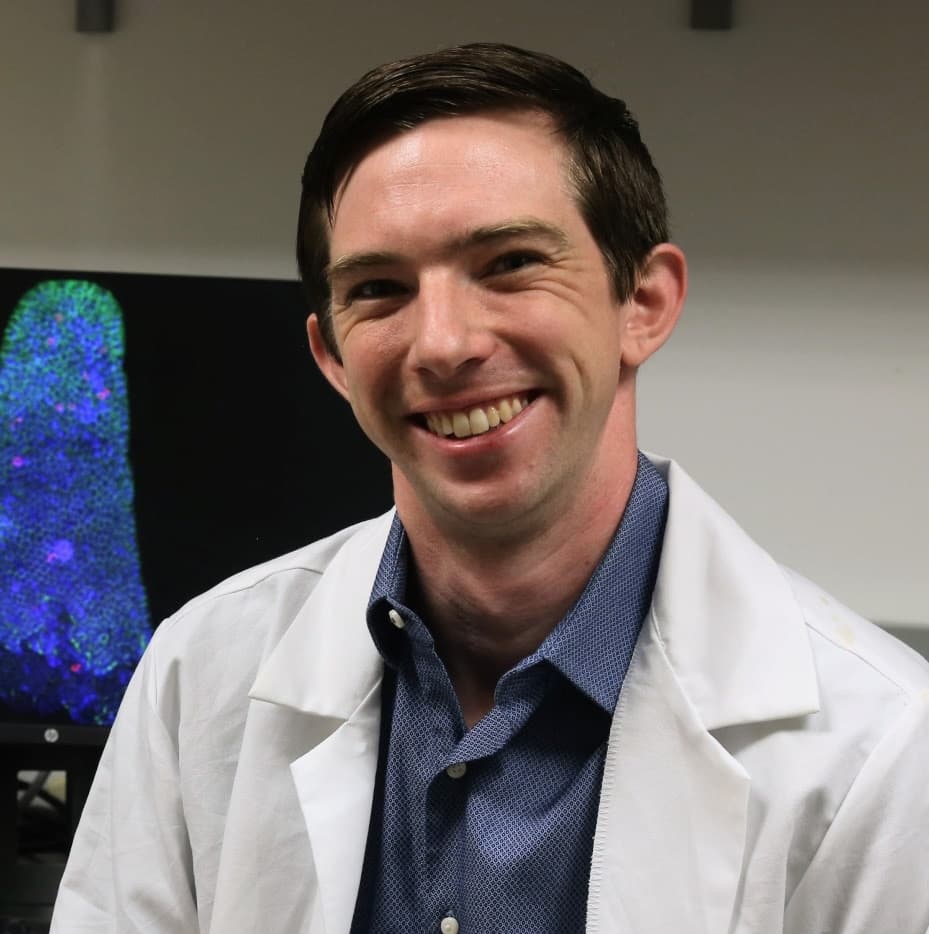
Michael Scales, Biochemistry and Cell Biology
When I was a graduate student, my union ensured that I had good healthcare, fair pay, and had access to parental leave after my children were born. After starting my postdoc without access to a union, many of my benefits became worse. I have also had multiple instances when my interests and needs as a postdoc have been ignored by the administration, and I’ve had to advocate for myself without the solidarity and support that comes from standing with my co-workers in a union. My story is not unique, and by forming a union, we can ensure that we have collective representation and are part of an organization that truly represents our interests.

Danielle Wagner, Civil and Environmental Engineering
Postdocs at Duke often lack a voice when it comes to determining numerous aspects of our employment conditions like compensation, healthcare, and family leave. At the moment, such important issues are determined unilaterally by the university administration. By forming a union, we as postdocs can aggregate our power and have a say in improving our experience at Duke. By negotiating with the administration as equals, we can all participate in making Duke a fairer and equitable place to work and do research.
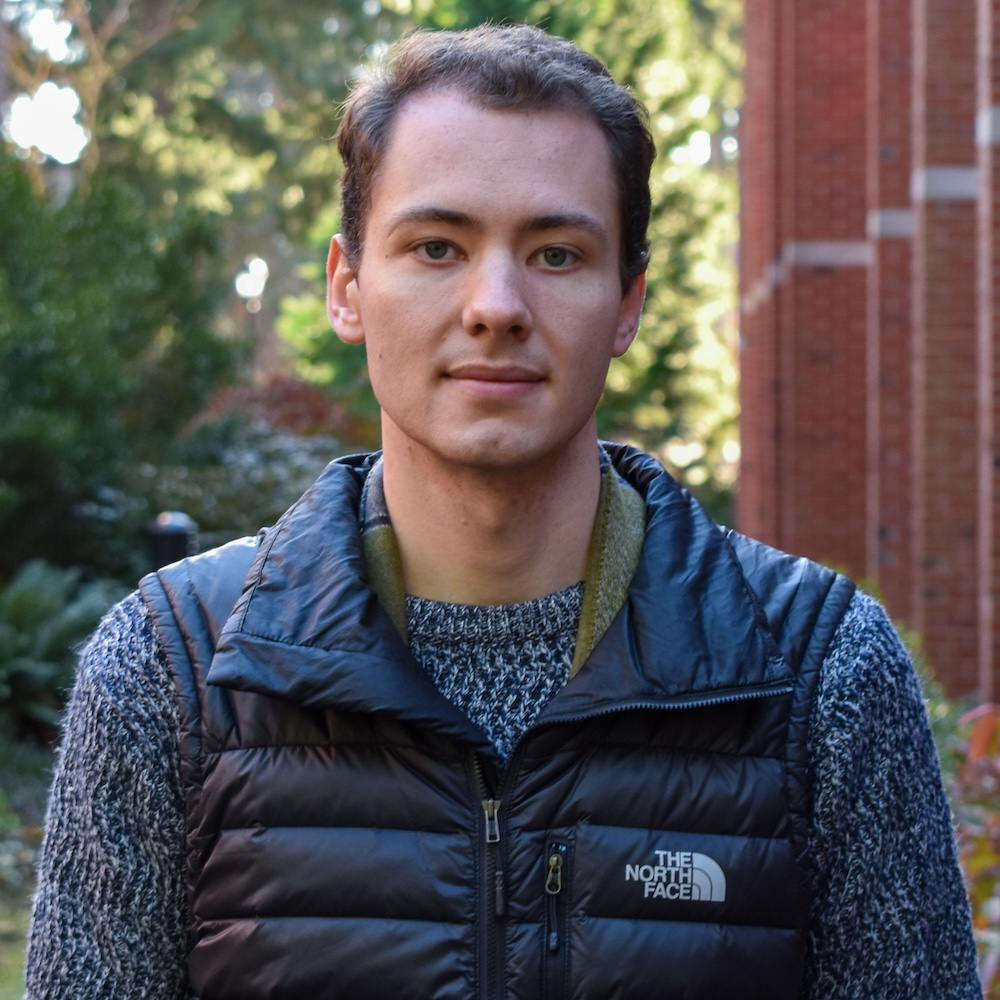
Noah Dillon, Biochemistry and Cell Biology
Academic research brings unique challenges to navigate for early career scientists and leaves many vulnerable. I believe that forming a union supports research by providing protections for postdocs to focus on our work. Having a collective voice will allow for us to voice the support we need to generate better research and contribute more to the academic community. As a union, we will be able to negotiate for better financial compensation and quality of life.
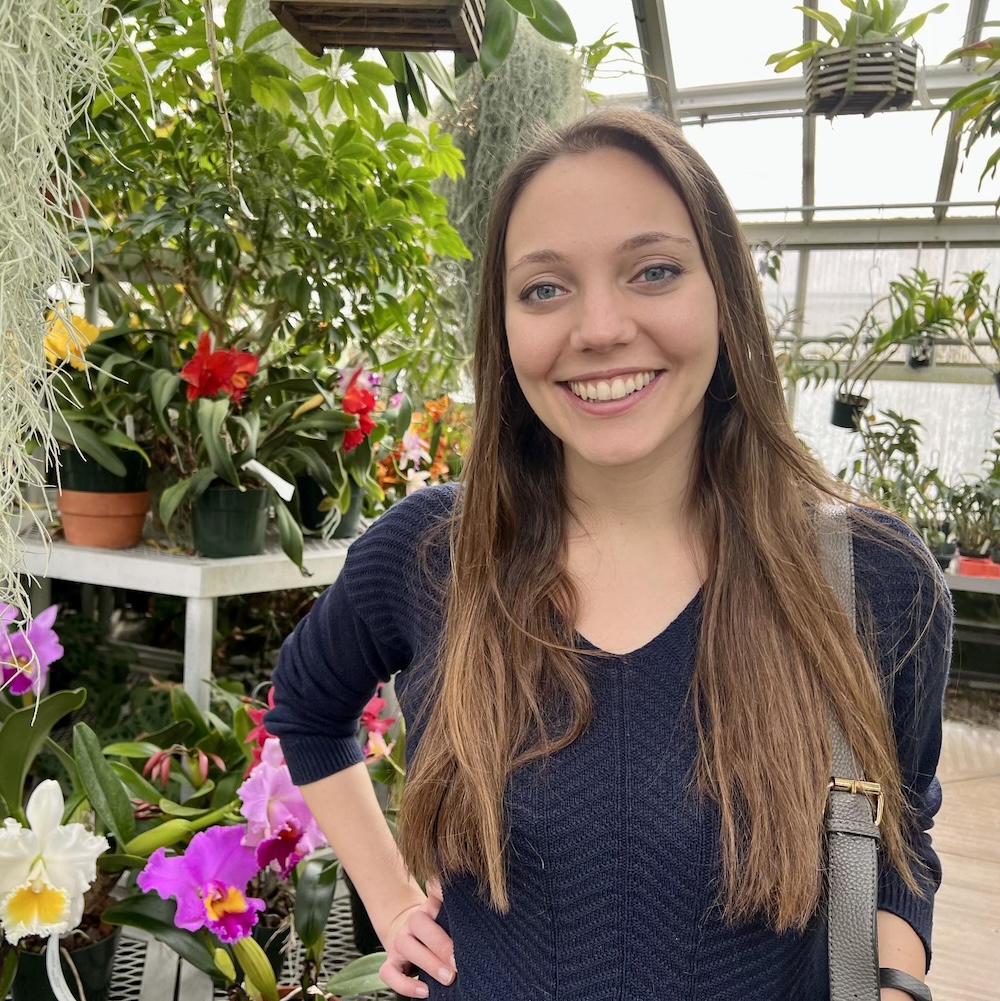
Sara Geraghty, Biomedical Engineering
Postdoc is such a common time to start a family, and a union would give us the ability to advocate for the resources, leave, and support we need.

Perla Henderson, Psychology and Neuroscience
Many of us complete our PhDs with little to no savings, and sometimes significant debt. Despite the skills developed during our long training, postdocs often face low wages compared to our peers of the same age and education level. All this means that it’s often more difficult for us to achieve financial stability and reach life milestones like saving for a home, starting a family, etc. I support forming a union so that postdocs can work together to improve measures like pay and retirement benefits, which will give us increased financial stability.

Lalita Mazgaeen, Neuro Oncology
Postdocs face many challenges to our working conditions like the rising cost of living, job security, and even something as simple as parking. This is particularly true for international workers such as myself who face additional uncertainty due to our visa status. I support postdocs at Duke coming together to form a union to advocate on these issues. Through our union, we will be able to negotiate with our employer to improve job security and create additional opportunities. We will not only work to improve our own working conditions, but that of future generations of Duke postdocs and help raise standards for scientific research in the United States.
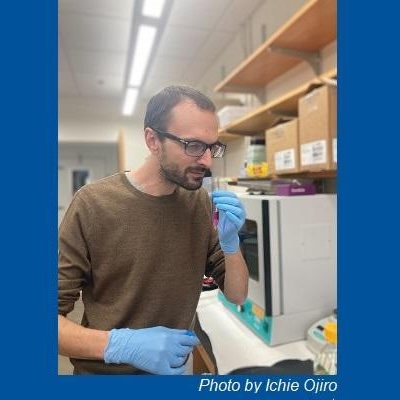
Robert Driver, Molecular Genetics and Microbiology
We as postdocs are often in positions that are challenging to navigate, with a lack of stability and support networks. I support us coming together and organizing a postdoc union that empowers us to alleviate some of these difficulties and advances the interests of postdocs. A union is important for postdoctoral fellow rights, equality, and well-being, and ultimately for the future of Duke University.

Luis Bailon Lopez, Integrative Immunobiology
International postdocs like myself have to navigate complex visa stamp acquisition and renewal requirements, often having to use our own vacation days to do so. By forming a postdoc union at Duke, we can advocate for improved assistance, including time off for visa related matters.

Emily Harmon, Biology
Being a postdoc can be an isolating and uncertain experience as we leave behind the built-in cohorts of graduate school to pursue independent research on short-term appointments. I support forming a union to create a sense of community and shared purpose for the many of us who are scattered across labs, buildings, and departments. By forming a union, we can also ensure that we are a part of decisions that affect our community, protecting what we like and working to improve our institutions strengths and research capacity.
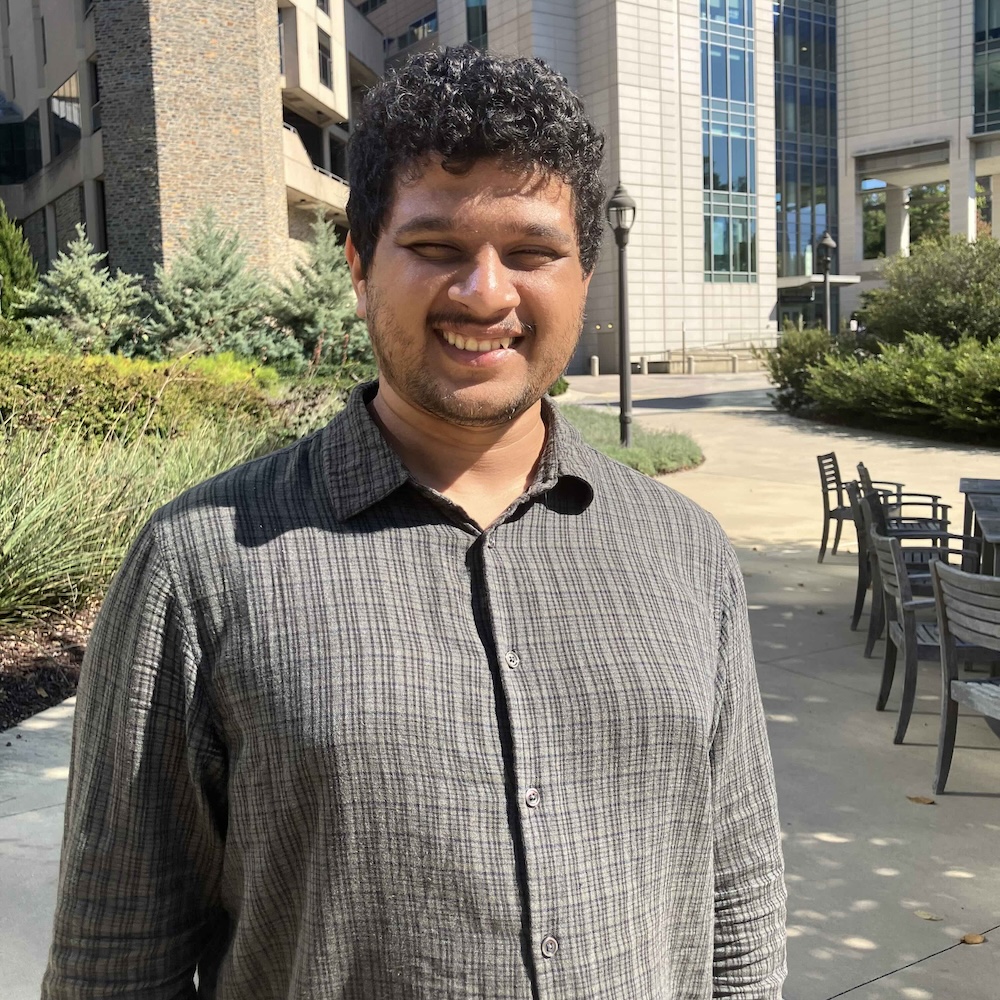
Kapil Devkota, Biostatistics and Bioinformatics
Postdocs often talk to each other about our research, give meaningful feedback, and offer deeper academic and moral support without any expectations, just because we follow the common objective of a broader scientific enlightenment. However, it is unfortunate that such close academic relationships do not always translate into the social and economic realm. Academic progress and collaboration are best advanced when we also act in concert with one another to improve our working conditions, to raise our pay, win better healthcare and family leave policies, and reduce precarity for international workers such as myself. A union is the best medium through which we can express such solidarity with one another.

Sidney Mau, Physics
Being a postdoc can be challenging. We often have to make sacrifices to pursue these careers, and scientific funding has become more competitive. By forming a union, we will have a stronger voice to collectively bargain for better salaries, visa assistance, childcare support, and everything else that will make our lives more stable and free us up to focus on research and mentorship. Supporting one another as postdocs by unionizing not only makes this a better place to work for all, but ultimately makes Duke a fairer and inclusive community.

Jake Burchard, Sociology
I support a union for postdocs at Duke because getting organized is the best way for us as workers to guarantee leverage over our working conditions, benefits, and pay.

Kathryn Blethen, Neurosurgery
By unionizing, we can advocate for better conditions and opportunities that will give us stability as postdocs, freeing us up to focus on using our skills to contribute to the success of Duke University’s research program. Together we can ensure a fair work environment for all postdocs.

Shruti Apte, Molecular Genetics and Microbiology
Most postdocs are at a life stage where starting or raising a family intersects directly with their prime research years. However, with skyrocketing childcare costs and area rent taking up the vast majority of a postdoc salary, maintaining family stability feels nearly impossible. Institutions risk losing talented researchers who simply cannot afford to stay in academia while caring for young children or twins. This financial burden significantly affects women, severely worsening the gender gap in senior scientific roles. Forming a union will give postdocs the collective bargaining power to secure vital childcare subsidies and institutional support, ensuring a truly equitable and diverse future for research.
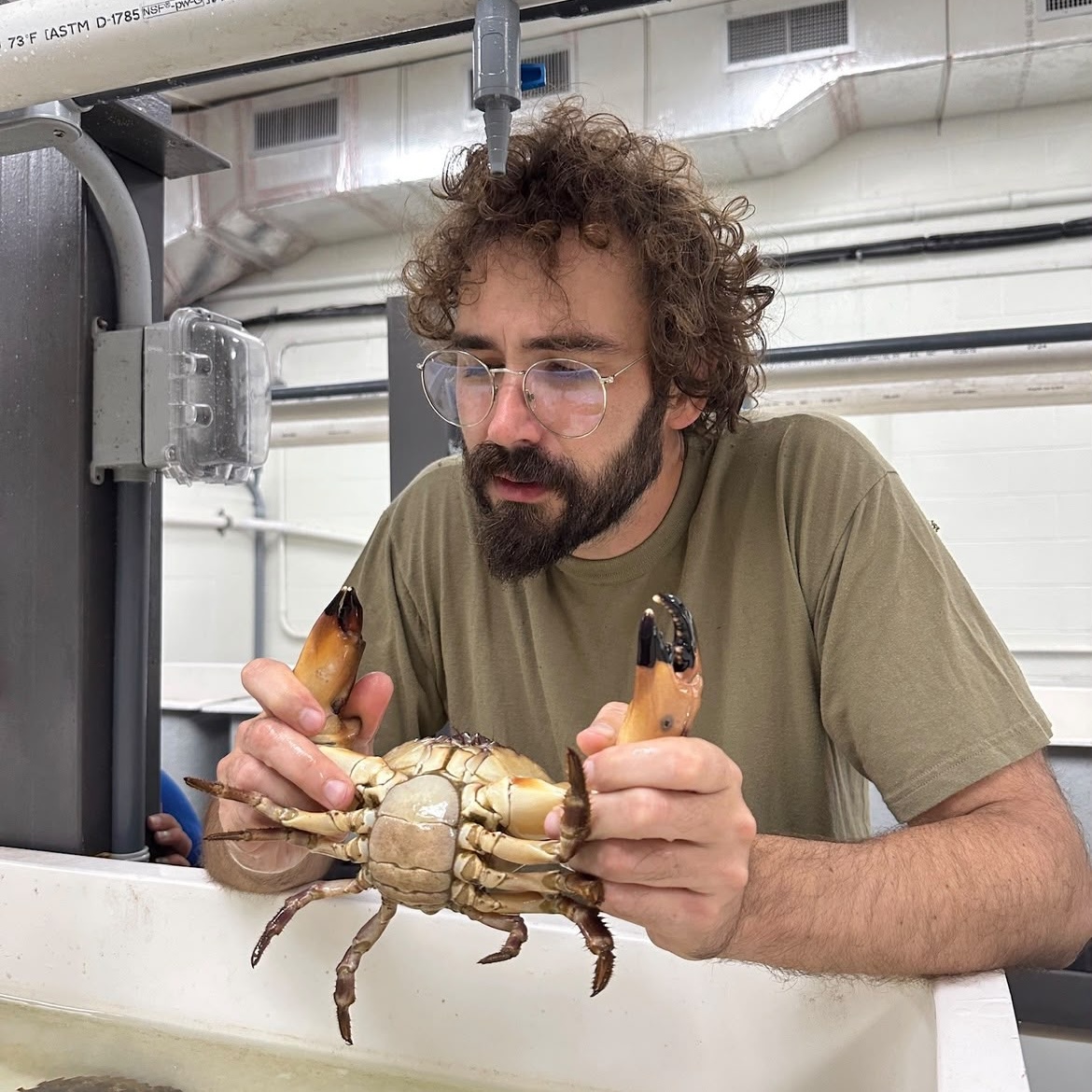
Joseph Morton, Nicholas School of the Environment
Postdocs are the backbone of Duke’s research mission, yet we have little say over the conditions that shape our work and our lives. That lack of a voice is especially costly now, when research funding, immigration policy, and the future of higher education can shift from one month to the next. We bring years of training and expertise to our work, and we deserve pay, stability, and support to match. By forming a union, we can exercise the collective power to negotiate fair pay, substantive benefits, and job security, so we can focus on our research instead of worrying about whether we can afford to stay.

Jahangir Alam, Duke Human Vaccine Institute
Like many international researchers, I came to Duke with the hope of contributing to outstanding research and building a stable and peaceful life for my family, but I soon realized that life in the United States as an international researcher comes with many challenges, such as finding suitable childcare, navigating health insurance, renting an apartment, arranging transportation, and many other aspects of daily life. These can directly affect our ability to focus on our research and succeed professionally. By forming a union, we will be more able to advocate for better support and resources for international workers on key issues like navigating visa and green card processes which can have long-term consequences for our careers and our families. We can build a stronger collective voice to collaborate and negotiate with the Duke administration to improve our working conditions and make our university a more supportive, equitable, and secure environment for all postdocs. Ultimately, strengthening support for postdocs will not only benefit us and our families but also contribute to a stronger research community at Duke.

Michael Patton, Psychology and Neuroscience
By forming a union, we can establish a greater voice to negotiate to improve our working conditions, from affordable and safer parking, to issues like pay increases that better keep up with rising expenses. Postdocs at numerous other universities have formed unions for years and I’m excited for us postdocs at Duke to do the same!

Alicia Bedolla, Anesthesiology
I like my benefits, I have a good relationship with my mentors, and I enjoy a healthy work-life balance. But I know that not all of my coworkers have such good working conditions. I want to form a union to help to protect the things that I like about my position and empower us to improve working conditions for all postdocs.

Jake Klemm, Pharmacology and Cancer Biology
We as postdocs often don’t have our needs met, but supporting one another and forming Duke Researchers United is how we can work to bring about change. By unionizing, we’ll be able to build collective power to improve working conditions for not only ourselves, but future postdocs as well.

Hope Lee, Duke Quantum Center
Our lives as postdocs can be precarious, and we often make sacrifices for careers in academic research. By forming a union, we can work together to improve key working conditions like pay, benefits, and rights, including for international workers. By coming together, we can make Duke a better place to work and affirm our university’s commitment to research.

Estefany Reyes, Pediatrics
Postdocs with families need stability and support! At the moment, many of us are on short-term, year-to-year contracts, which makes it challenging to plan, keep stable housing or have confidence on a secure income,creating real stress for families. Even though NIH policies may allow for parental leave on some fellowships, these rules are often interpreted as suggestions. By forming a union, we can advocate for a contract that secures concrete benefits for families such as improved parental leave, affordable health coverage for families, childcare subsidies, longer and more secure appointments. In addition, many postdocs have years of relevant experience from previous roles, but those years are often ignored when setting salary and step placement. A union can help ensure that prior experience is recognized in compensation, so individuals and families are not penalized for the time that has already been invested in training and careers.

Ameya Jalihal, Biochemistry and Cell Biology
Postdocs play key roles at Duke. We teach and mentor students, conduct research, and work to win grants and fellowships that fund science. Yet we often lack a say in our own working conditions. As important stakeholders at Duke, I support us forming a union to build the power to bargain and collectively negotiate a contract to improve our own lives and make Duke a better place.