Science Funding Advocacy
By forming a union, Duke postdocs can more effectively advocate for increased funding for science and research on the state and federal level by joining with postdoctoral researchers at Columbia University, Mount Sinai, New York University, the University of California, University of Washington, University of Connecticut, University of Massachusetts, the National Institute of Health (NIH), Princeton University, University of Pennsylvania, Weill Cornell Medicine, Rockefeller University, Albert Einstein College of Medicine, Johns Hopkins University, Harvard, and also with graduate-level employees at many of the the same institutions and others. For all of us there is a direct connection between federal support for education and research and our career progress, wages, benefits and job security.
Since taking office in 2025, the Trump administration has been attacking federally funded research with cuts, freezes, and terminations of critical federal employees. These attacks are already having a devastating effect on our lives and careers as academic workers. In the UAW, we have been building a national movement to fight back, kill the cuts, and protect life-saving research. In the days after January 20, UAW academic workers responded rapidly to Trump’s executive orders, initiating phone banks with hundreds of participants from the UAW and beyond to pressure Congress to stop cuts to NIH and NSF funding. Workers built on this pressure further by organizing National Days of Action against cuts, with rallies and actions taking place across the country on February 19, and then again on April 8th, including tens of thousands of workers across more than 30 cities.
At the same time, researchers and allies in the UAW have advocated directly to congressional leadership, urging them to oppose Trump’s cuts to research funding in the Fiscal Year 2026 budget, as well as the ongoing freezing and cancellations of federal funds appropriated by Congress for 2025.
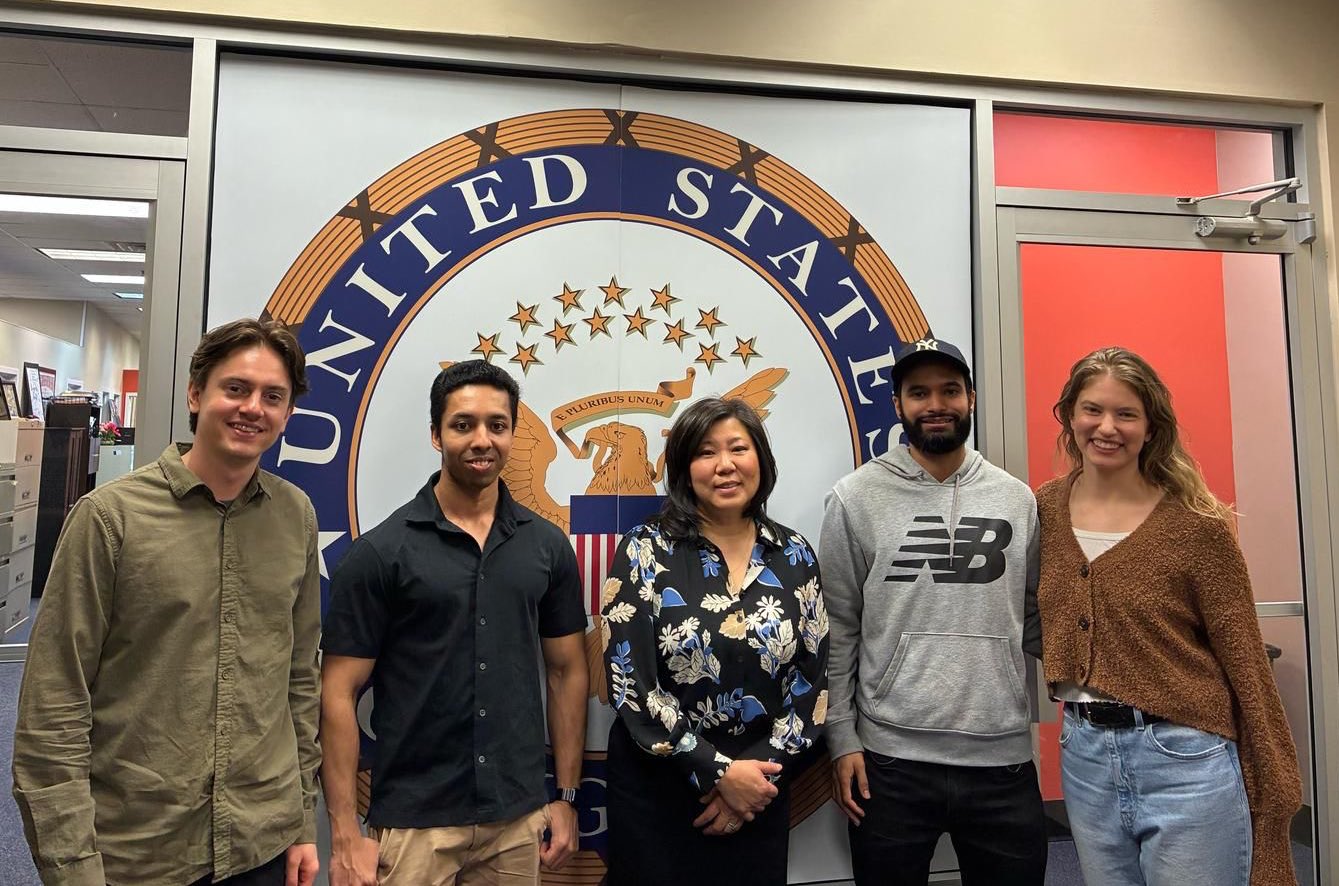
The UAW has been instrumental in preventing the Trump administration’s unlawful freezes and cuts from moving forward. The UAW has participated in multiple efforts to litigate Trump’s unlawful actions against research, at both national and local levels, including:
- Supporting states’ Attorneys General injunctions against Trump’s unilateral reduction of the indirect cost rate to 15% (22 States vs. RFK Jr., permanent injunction granted on April 7) and cancellations of NIH grants (16 States vs. RFK Jr., temporary injunction filed on April 25), including by filing declarations of impact on members.
- Joining a lawsuit (APHA, UAW et al vs NIH) against the cancellation of NIH grants that include reference to DEI, gender, COVID-19, climate, among other key words.
- Filing an amicus brief against the cancellation of grant funding at Columbia based on a list of demands by the federal government. (AAUP, AFT vs. Department of Justice)
- Joining a lawsuit against the cancellation of grant funding at Harvard, again based on a list of demands by the federal government. (AAUP, UAW vs. Department of Justice)
- Plaintiff in lawsuit against NSF funding, and against funding cuts at the University of California.
- Supporting legal efforts against Trump’s attempts to deny collective bargaining rights to a large number of federal employees using the “national security exemption”.
All of these efforts have been having a major impact: In recent months, Congress has largely rejected massive proposed budget cuts to federal research agencies, and even proposed an increase in 2026. When workers and allies come together to advocate for our interests, we win!
State Level Scientific Funding
UAW academic workers have also advocated for increased science funding at the state level as well. In California, academic workers have been critical in efforts to pass California SB 895, an initiative that seeks to create a state-level institution that would provide grants for biomedical, climate, and public health research threatened by federal cuts. In Washington, workers are advocating for SB 6321, which would establish the Washington Institute for Scientific Advancement, which would create a state-funded research body to counter federal cuts. In Massachusetts, workers are advocating for the DRIVE Act, supported by Governor Maura Healey, which would allocate $200 million of state funding for life-saving research institutions, including the UMAss System. In New York State, thanks to the hard work and organizing of researchers and allies across the state, Governor Hochul has allocated $65 million to support the Bolstering Biotechnology Initiative (BBI) in this year’s state budget
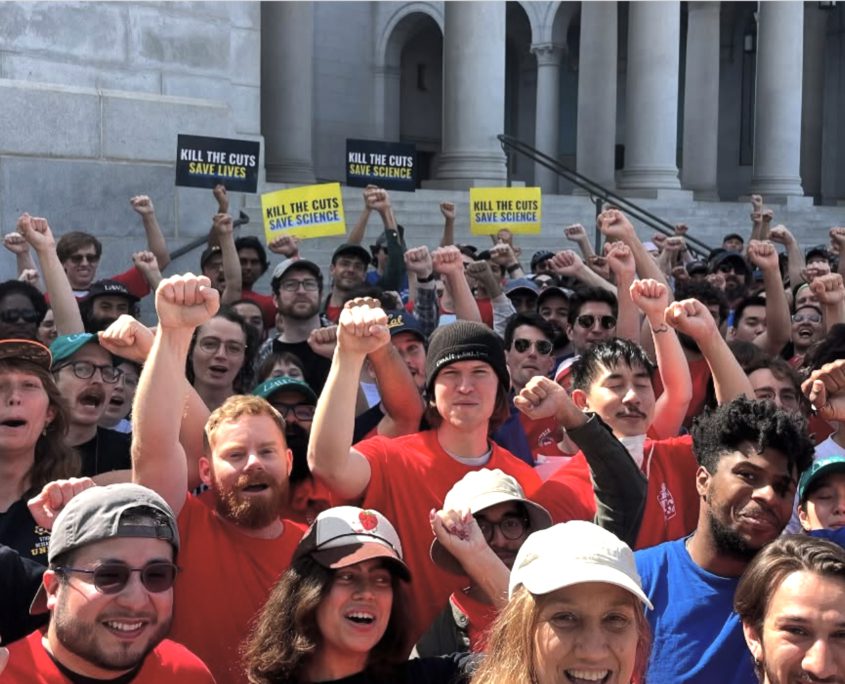
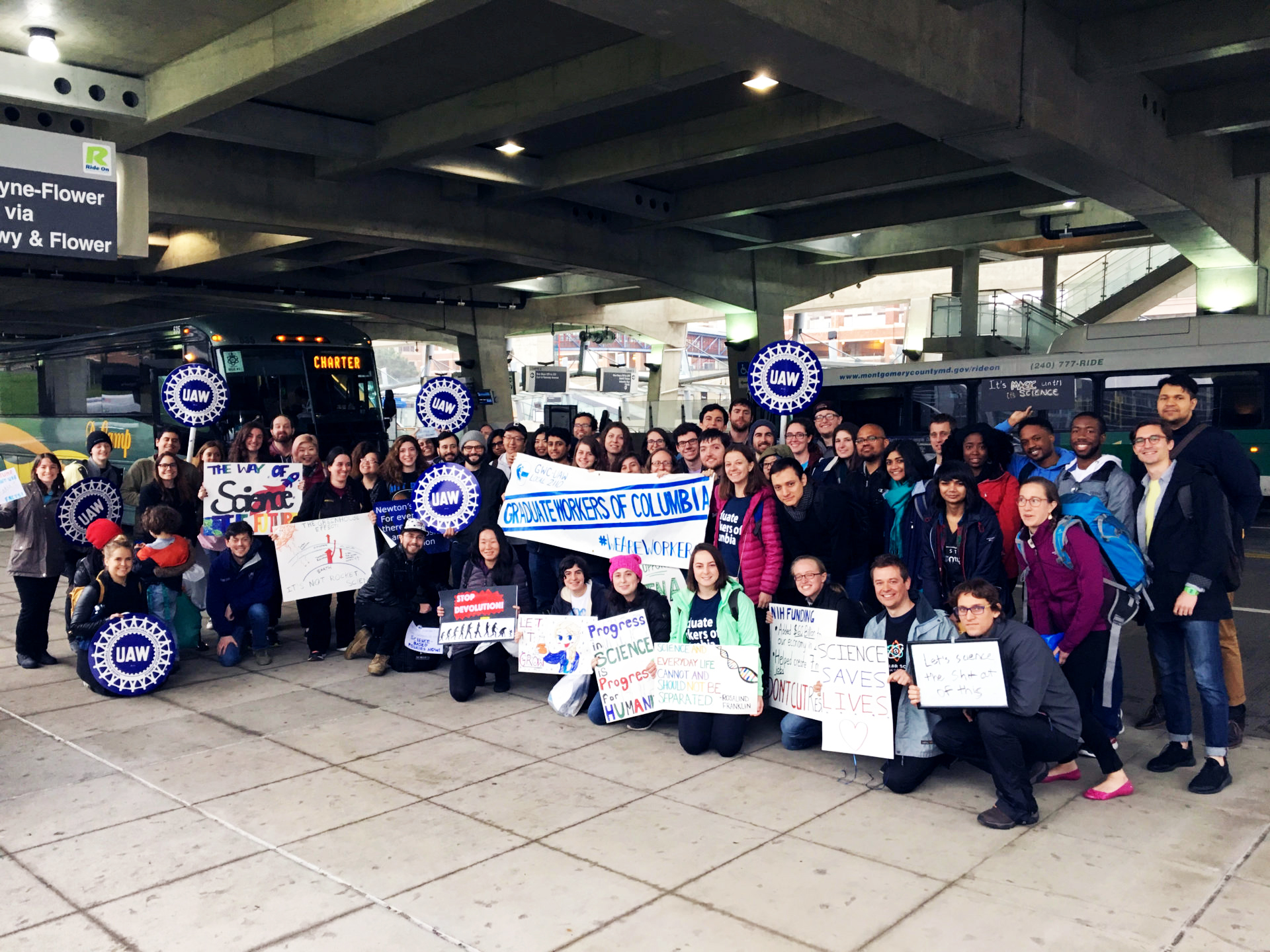
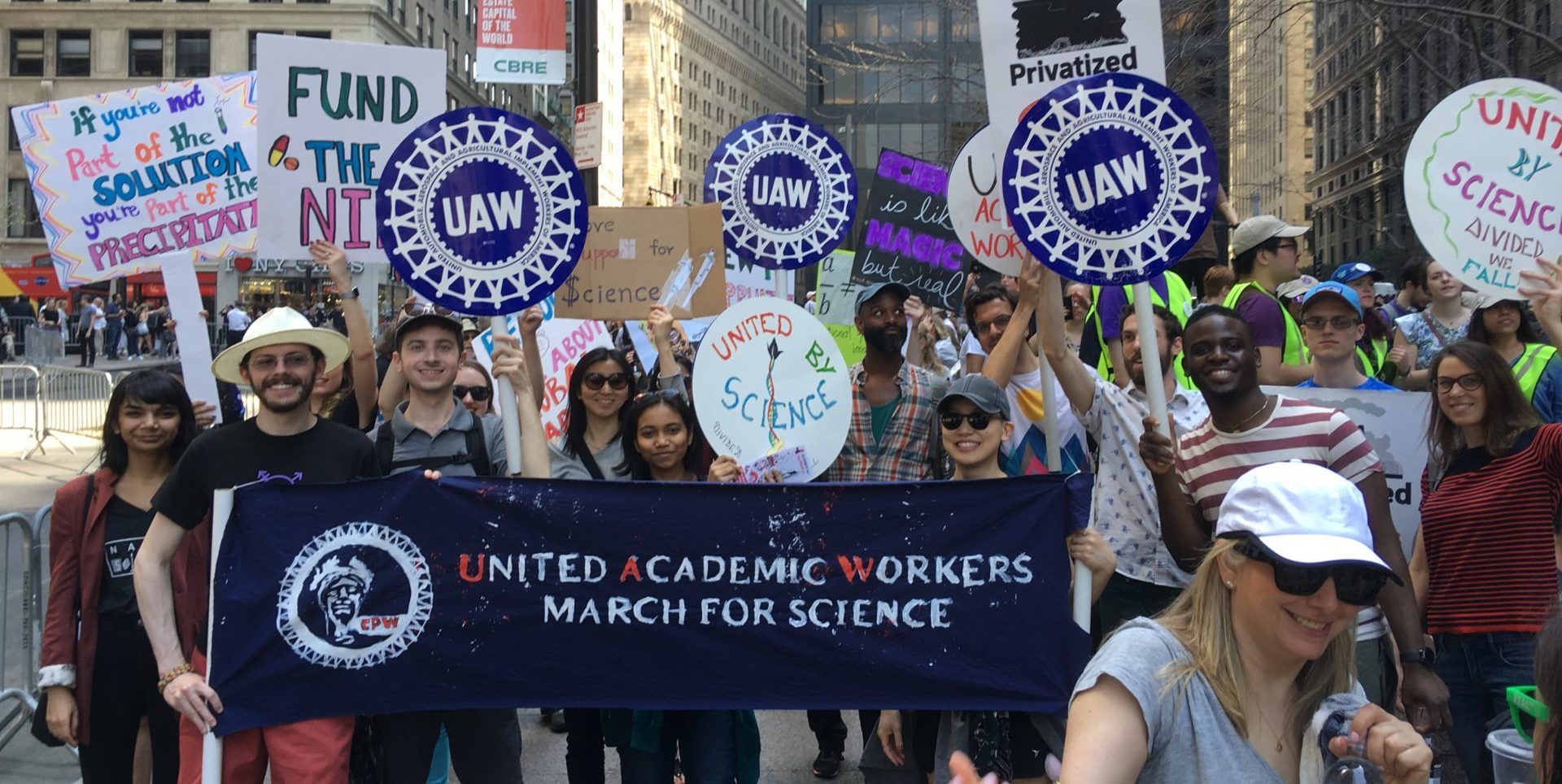
Columbia University Postdocs have participated in the March for Science since it started in 2017 to hold elected officials accountable for protecting research funding and ensuring that policies that affect scientists are transparent and fair.